
Three Essential Development Skills
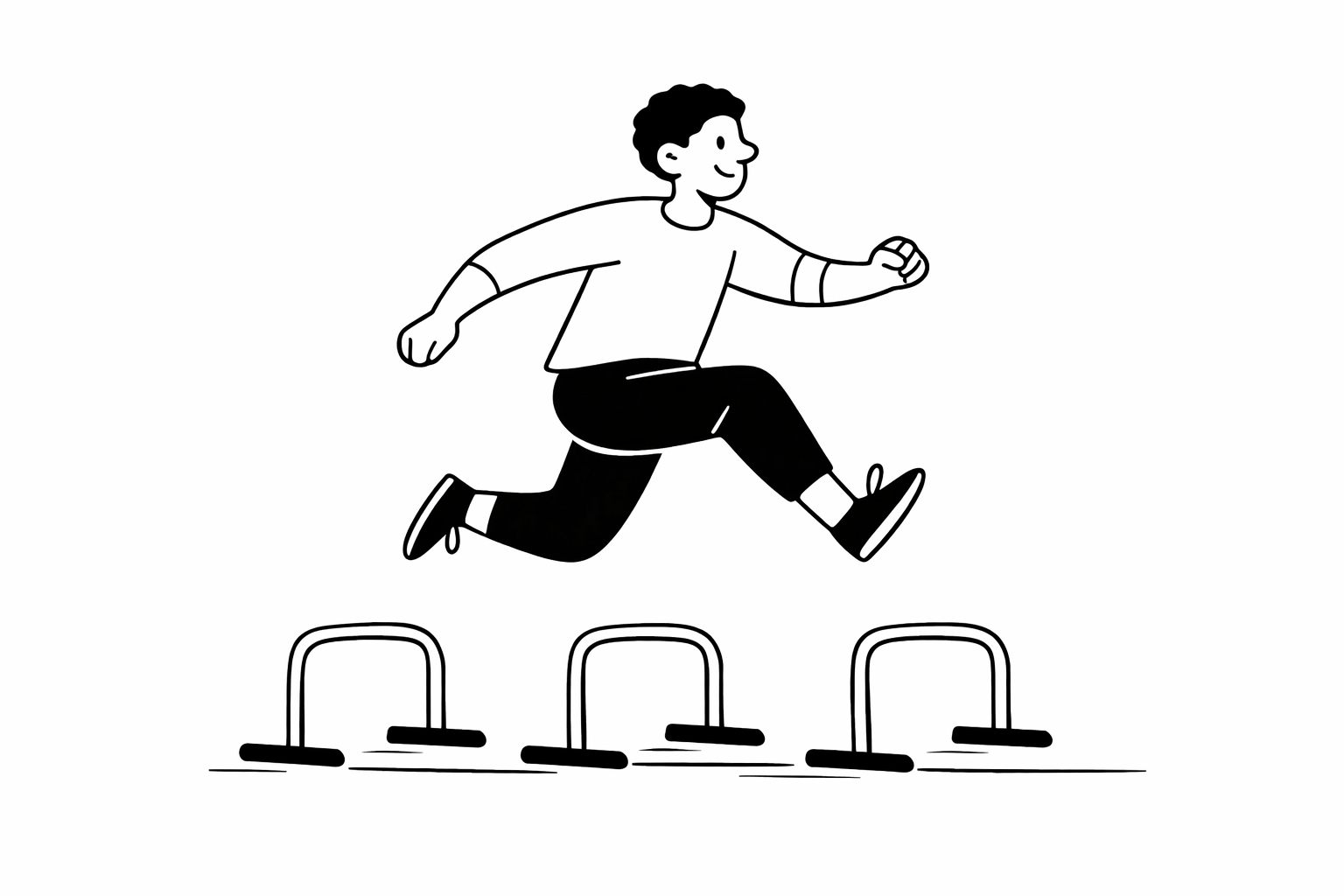
Physical Readiness
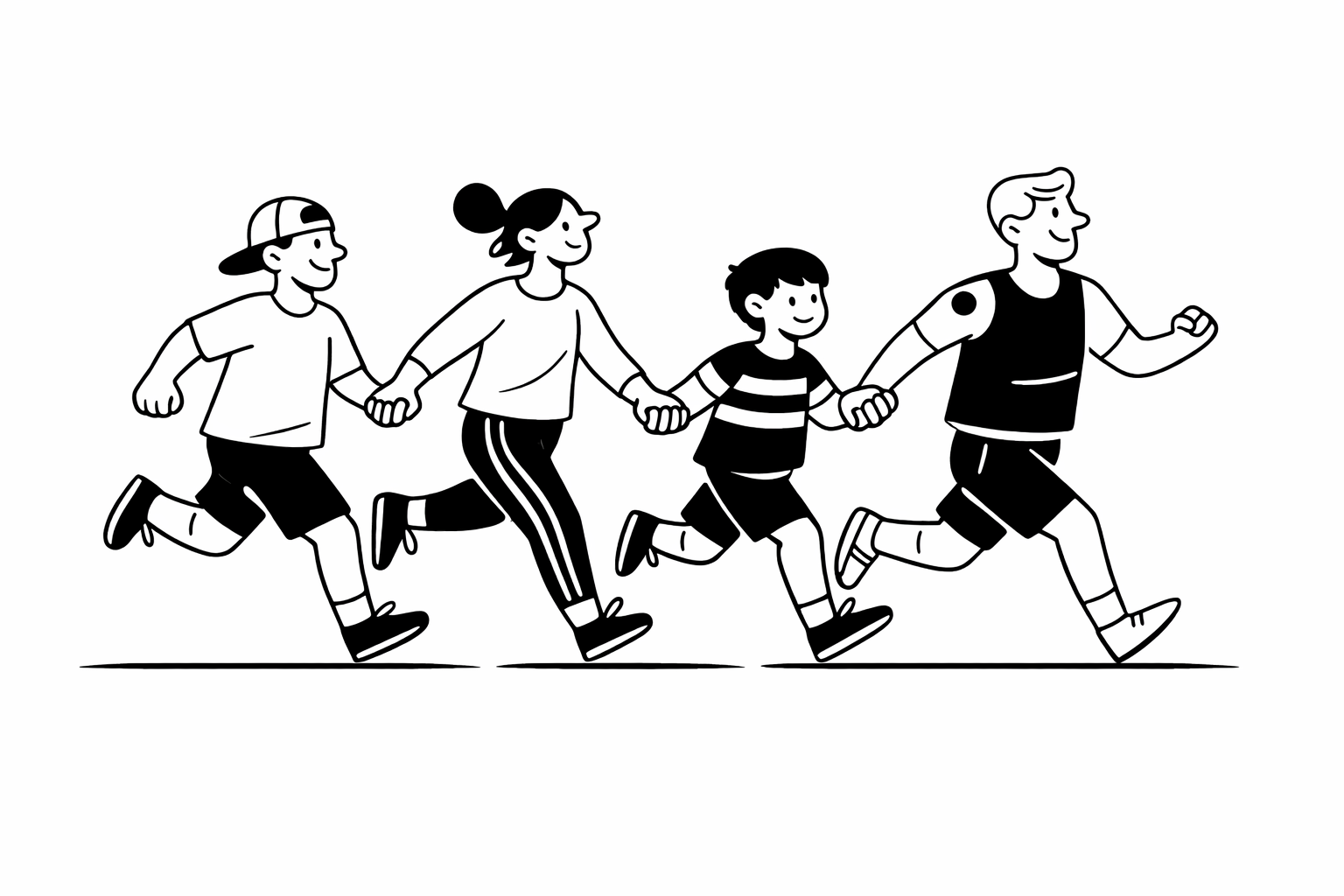
Collaboration
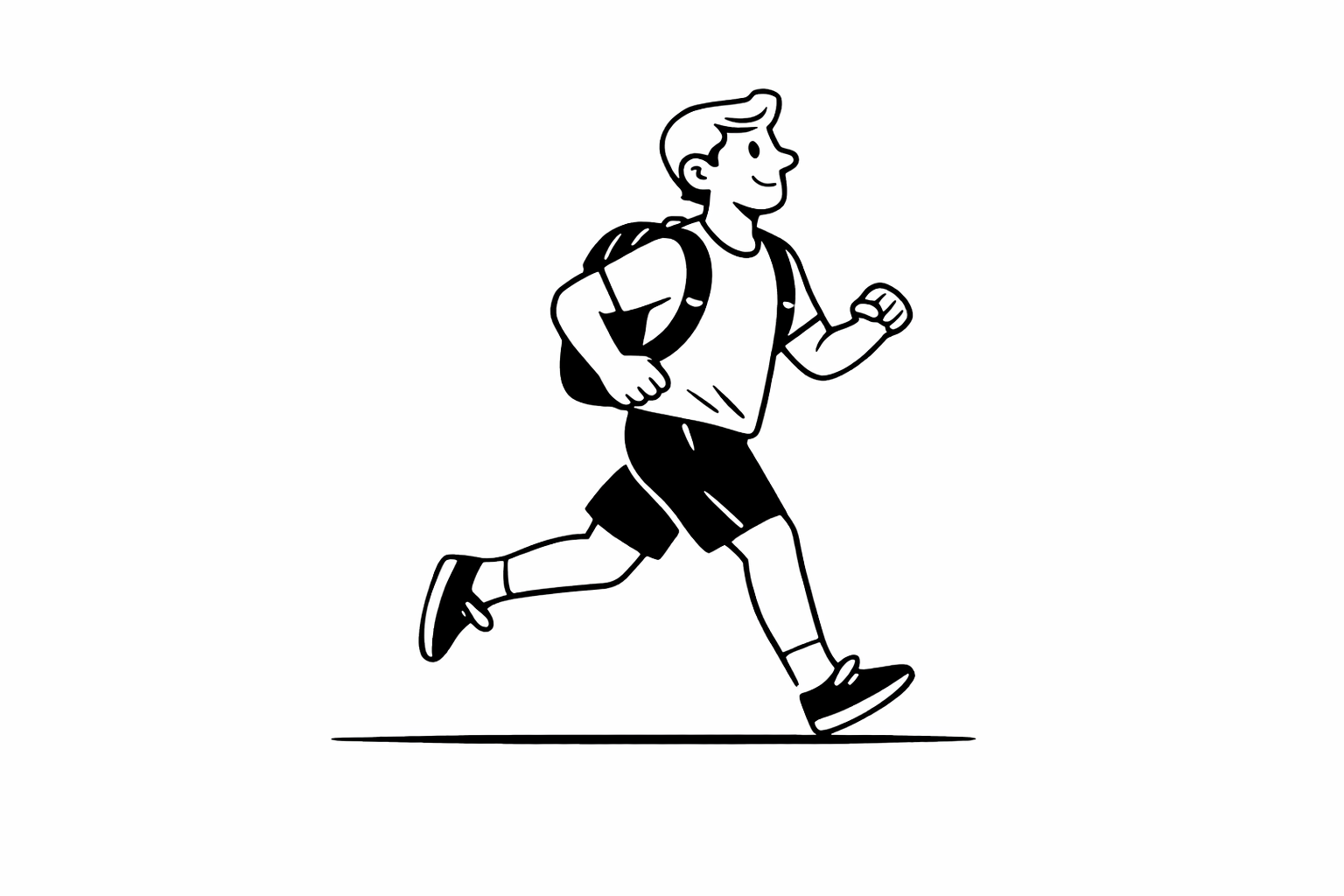
Self-Management
Routine-Based Running
| Atlas — Structure for Motor Planning | Deepwater — Structure for Calm Endurance |
| For children who need clear pathways and predictable movement patterns. We use step‑by‑step circuits, repeated sequences, and consistent start‑finish markers to support motor planning, balance, and confidence. | For children who thrive on consistency and sensory predictability. We use long, steady routes, repeated lap patterns, and quiet pacing cues to build endurance, proprioceptive grounding, and emotional calm. |
| Nova — Structure for Cognitive Sequencing | Swirl — Structure for Sensory Integration |
| For children who are imaginative, curious, and easily distracted. We support them with clear routines, step‑by‑step sequences, and predictable pacing to strengthen focus, working memory, and follow‑through. | For children who are sensitive to movement, easily disoriented by speed or direction changes, and need steady sensory input to feel grounded. We use predictable rhythm‑based loops, head‑still and head‑turn drills, and proprioceptive “heavy‑work” pacing to strengthen vestibular stability, body awareness, and controlled movement. |
What a Typical Session Looks Like
| Session Stage | What Happens | Purpose |
|---|---|---|
| Arrival & Regulation | Deep‑pressure warm‑ups, breathing cues, visual schedule check‑in, simple movement primers | Prepare the nervous system and set expectations |
| Warm‑Up Circuit | Marching patterns, dynamic stretches, core activation, balance drills | Build readiness for safe, efficient running |
| Running Focus Block | Children work within their profile: Atlas, Swirl, Nova, Deepwater | Targeted development through structured, predictable running |
| Skill Stations | Pacing control, agility, proprioceptive heavy‑work, sequencing tasks, partner collaboration | Reinforce physical readiness, collaboration, and self‑management |
| Endurance Loop | Long loops, rhythmic pacing, quiet cues | Build stamina, breath control, and emotional regulation |
| Cool‑Down & Reflection | Slow walking, deep‑pressure stretches, breathing patterns, reflection prompts | Return to calm and consolidate learning |
Protea Pathway Overview
| Area | Details |
|---|---|
| Program Format | A community‑based running and movement development program. 1.5‑hour weekly classes, delivered in 12‑week terms, rotating 4 times per year. Conducted daily across multiple Hong Kong locations. |
| Age Range | Designed for ages 5–18. Groups formed by developmental readiness, movement profile, and regulation needs — not academic year. |
| 180 Motor Skills Framework | Students progress through 180 movement skills across Levels 1–6, organized into 4 developmental domains: Postural Alignment — postural control, balance, deep core strength Neurological Coordination — neuromotor alignment, bilateral coordination, spatial awareness Orthopedic Readiness — lower‑body strength, joint safety, biomechanics Cardiorespiratory Stamina — aerobic pacing, breath control, emotional self‑regulation |
| Delivery Model | Run by experienced Protea Coaches, supported by Protea Behavioral Specialists. Sessions take place in community venues across Hong Kong. |
| Support Ratio | 1:6 for low‑support groups; 1:3 for high‑support learners (Caretaker participation is required). Adaptable for students needing sensory scaffolds, visual supports, or shadow‑teacher assistance. |
| Student Support | Inclusive for neurodiverse learners. Structured routines, visual anchors, predictable pacing, and sensory‑aware coaching support confidence and regulation. |
| Caretaker Role | Caretakers must remain on the premises and are encouraged to assist when appropriate to reinforce routines, safety, and emotional regulation. Caretaker participation is required for high-support learners. |
| Locations | Classes run every day after school and on weekends across Hong Kong. Families can select the location closest to them. |
| Learning Outcomes | Strengthened physical discipline through structured movement routines; improved ability to work with others through shared pacing, partner tasks, and group running; and increased independence as students learn to self‑manage pacing, routines, and movement goals across Levels 1–6. |
| Transform Program | A 52‑hour field training offered once per year, where students build the core skills through hands‑on practice. They learn community coaching fundamentals, develop a confident and encouraging coaching voice, and take on early session‑leading skills under guided supervision. |
| Enrollment | Enrollment is rotation‑based. Families are placed at the beginning of each 12‑week term for the regular program. |
If you’re ready to learn more about the Protea Pathway, complete the form and we’ll guide you through the next steps.